
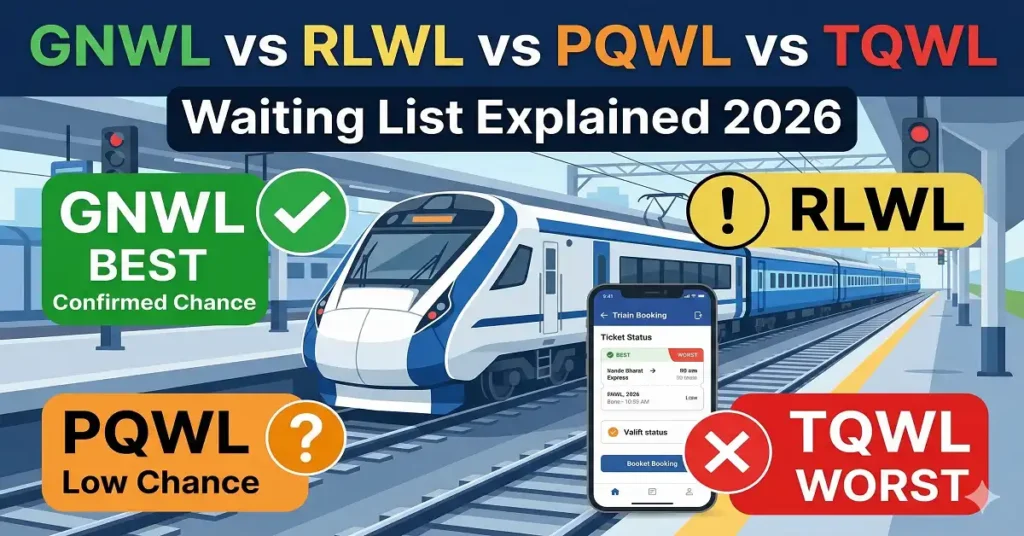
Booking a train ticket in India is easy… until you see confusing terms like GNWL, RLWL, PQWL, and TQWL.
Most people ignore these codes and just look at the waiting list number. That’s a mistake.
👉 Because your waiting list type matters more than your WL number.
Two tickets with the same WL number can have completely different chances of confirmation — just because of the type.
In this detailed guide, you’ll learn:
- What each waiting list means?
- How Indian Railways allocates seats?
- Which waiting list confirms faster?
- Smart tricks to increase confirmation chances.
Everything is explained in simple, clear language.
What is Waiting List in Indian Railways?
When all available seats in a train are booked, the system gives you a Waiting List (WL) ticket.
This means:
- You don’t have a confirmed seat yet
- You are in a queue
- Your ticket may confirm if someone cancels
How Waiting List Works?
Indian Railways follows a priority-based system.
When someone cancels:
- The system checks the waiting list type
- It gives priority to higher categories
- Then it confirms tickets in order
👉 That’s why GNWL moves faster than RLWL or PQW
Important Fact Most People Don’t Know
👉 Waiting list is not just a number — it’s divided into quotas
Each quota has:
- Different seat allocation
- Different priority
- Different cancellation patterns
That’s why understanding WL types is critical.
Types of Waiting Lists in Indian Railways
There are 4 main types:
- GNWL – General Waiting List
- RLWL – Remote Location Waiting List
- PQWL – Pooled Quota Waiting List
- TQWL – Tatkal Waiting List
Let’s break them down deeply 👇
1. GNWL (General Waiting List)
✅ What is GNWL?
GNWL stands for General Waiting List.
This waiting list is created when you book tickets:
- From the train’s starting station, or
- From a major station close to the origin
💡 Example
Train starts from Hyderabad
You book ticket from:
- Hyderabad → Vijayawada
👉 You will get GNWL
🔍 How GNWL Works Internally?
- Maximum seats are allocated for origin stations
- Most passengers cancel from starting points
- GNWL has top priority in confirmation
When cancellations happen:
- 👉 GNWL is processed first
📊 Confirmation Chances
👉 Very High (Best among all waiting lists)
📌 Detailed Key Points
- Highest priority quota
- Fastest moving waiting list
- Most predictable confirmation
- Best option for long-distance travel
⚡ Real-World Reality
| GNWL Number | Chances |
|---|---|
| 1–20 | Almost guaranteed |
| 20–50 | High |
| 50–100 | Moderate |
| 100+ | Depends on train |
Pro Insight
If you want a confirmed ticket:
👉 Always try to book from the train’s origin station.
2. RLWL (Remote Location Waiting List)
✅ What is RLWL?
RLWL stands for Remote Location Waiting List.
It applies when you book tickets from:
- Intermediate stations (not starting point)
- Smaller cities between origin and destination
💡 Example
Train starts from Secunderabad
You book:
- Warangal → Vijayawada
👉 You will get RLWL.
🔍 How RLWL Works Internally?
- Seats are reserved separately for intermediate stations
- Fewer passengers cancel at these stations
- RLWL has lower priority than GNWL
📊 Confirmation Chances
👉 Medium (Uncertain).
📌 Detailed Key Points
- Limited seat allocation
- Slower movement
- Depends heavily on cancellations
- Less predictable than GNWL
⚡ Real-World Reality
| RLWL Number | Chances |
|---|---|
| 1–10 | Good |
| 10–20 | Risky |
| 20–40 | Low |
| 40+ | Very low |
🧠 Pro Insight
Even RLWL 10 may not confirm in busy routes.
👉 Always compare with GNWL before booking.
3. PQWL (Pooled Quota Waiting List)
✅ What is PQWL?
PQWL stands for Pooled Quota Waiting List.
This happens when:
- Multiple small stations share a common quota
- No separate quota is available
💡 Example
You travel between:
- Two small stations
👉 You get PQWL.
🔍 How PQWL Works Internally?
- One small quota is shared among many stations
- Very few seats are allocated
- Very few cancellations happen
📊 Confirmation Chances
👉 Low
📌 Detailed Key Points
- Shared quota system
- Limited seats
- Low priority
- Slow movement
⚡ Real-World Reality
| PQWL Number | Chances |
|---|---|
| 1–5 | Slight chance |
| 5–15 | Very low |
| 15+ | Almost zero |
🧠 Pro Insight
PQWL is one of the worst waiting lists.
👉 Avoid booking PQWL whenever possible.
4. TQWL (Tatkal Waiting List)
✅ What is TQWL?
TQWL stands for Tatkal Waiting List.
It applies when:
- You book under Tatkal quota
- Tickets are already full
💡 Example
You book ticket 1 day before travel
👉 You get TQWL
🔍 How TQWL Works Internally?
- Tatkal quota has very limited seats
- Most people travel urgently → fewer cancellations
- TQWL has the lowest priority
📊 Confirmation Chances
👉 Very Low (Worst among all)
📌 Detailed Key Points
- Last-minute booking system
- Almost no movement
- Automatic cancellation if not confirmed
⚡ Real-World Reality
| TQWL Number | Chances |
|---|---|
| 1–5 | Slight possibility |
| 5–10 | Very low |
| 10+ | Almost impossible |
🚫 Important Rule
If TQWL is not confirmed:
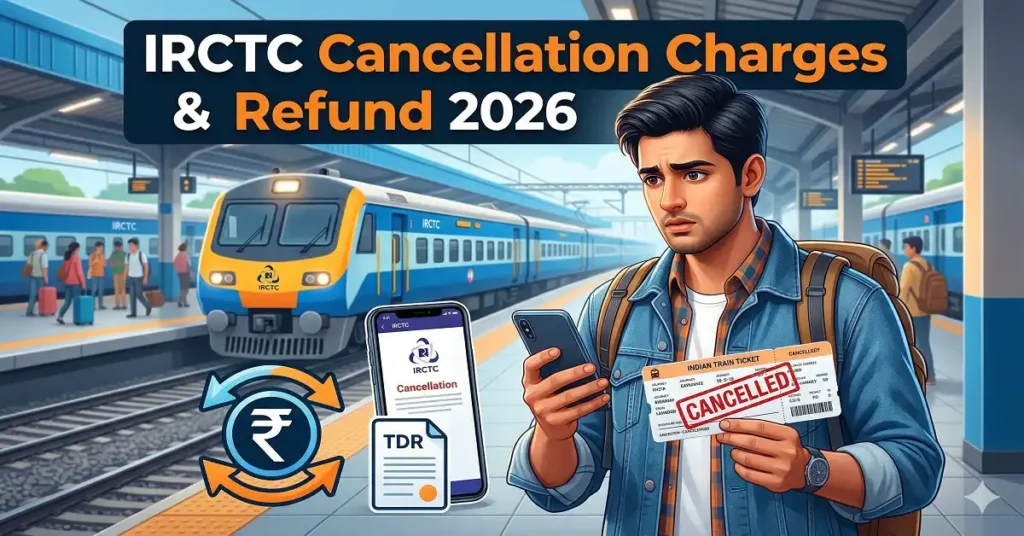
- 👉 Ticket gets automatically cancelled
- 👉 Full refund is processed
📊 Complete Comparison Table
| Type | Full Form | Priority | Chances | Best For |
|---|---|---|---|---|
| GNWL | General WL | Highest | ⭐⭐⭐⭐ | Long journeys |
| RLWL | Remote WL | Medium | ⭐⭐⭐ | Mid stations |
| PQWL | Pooled WL | Low | ⭐⭐ | Avoid |
| TQWL | Tatkal WL | Lowest | ⭐ | Emergency only |
How Confirmation Actually Happens?
Your ticket gets confirmed when:
- Someone cancels their ticket
- Extra coaches are added
- Quota seats are released
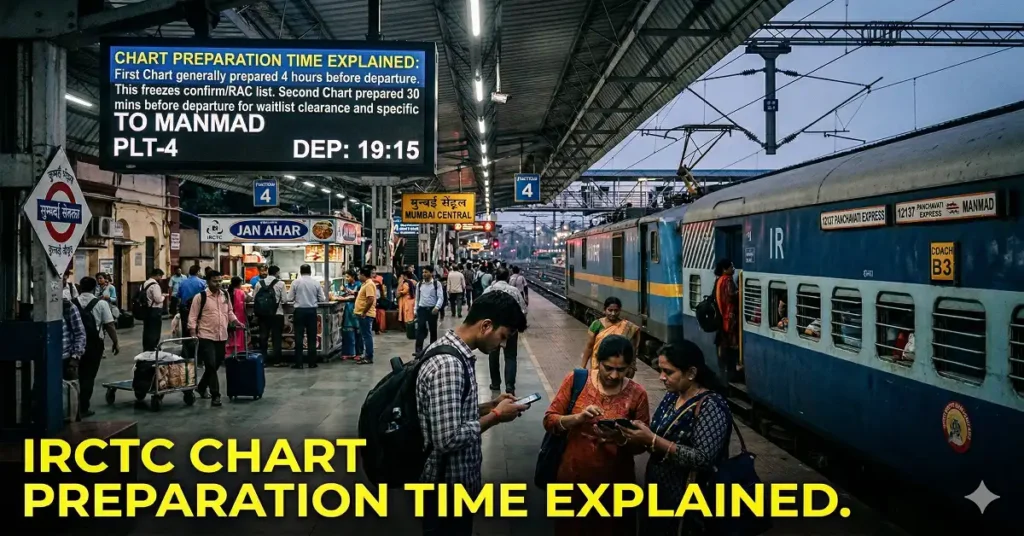
🕐 Chart Preparation Time
- Final chart is prepared 4 hours before departure
- After this, very few changes happen
Important Rules You Must Know
❌ Online Ticket Rule
- WL not confirmed → Auto cancelled
- Refund processed automatically
❌ Counter Ticket Rule
- You can travel with WL
- But no seat guarantee
❌ RAC vs WL
| Status | Meaning |
|---|---|
| RAC | Can travel (shared seat) |
| WL | Cannot board legally |
Smart Tips to Increase Confirmation Chances
✅ 1. Always Prefer GNWL
- Highest success rate
✅ 2. Book Early
- Lower WL number
✅ 3. Change Boarding Station (Power Trick)
Instead of:
- Warangal → Vijayawada (RLWL ❌)
Try:
- Secunderabad → Vijayawada (GNWL ✅)
👉 Huge difference in confirmation chances.
✅ 4. Avoid PQWL & TQWL
- Very low success rate
✅ 5. Try Alternative Trains
- Don’t depend on one option
✅ 6. Use RAC Instead of WL
- At least you can travel
🎯 Final Conclusion
If you remember just one thing:
👉 GNWL = Best choice
👉 RLWL = Medium risk
👉 PQWL = Avoid
👉 TQWL = Last option only
Understanding these can:
- Save your travel plans
- Avoid last-minute stress
- Increase your chances of getting a confirmed ticket
Explained in detail.
Thank you